
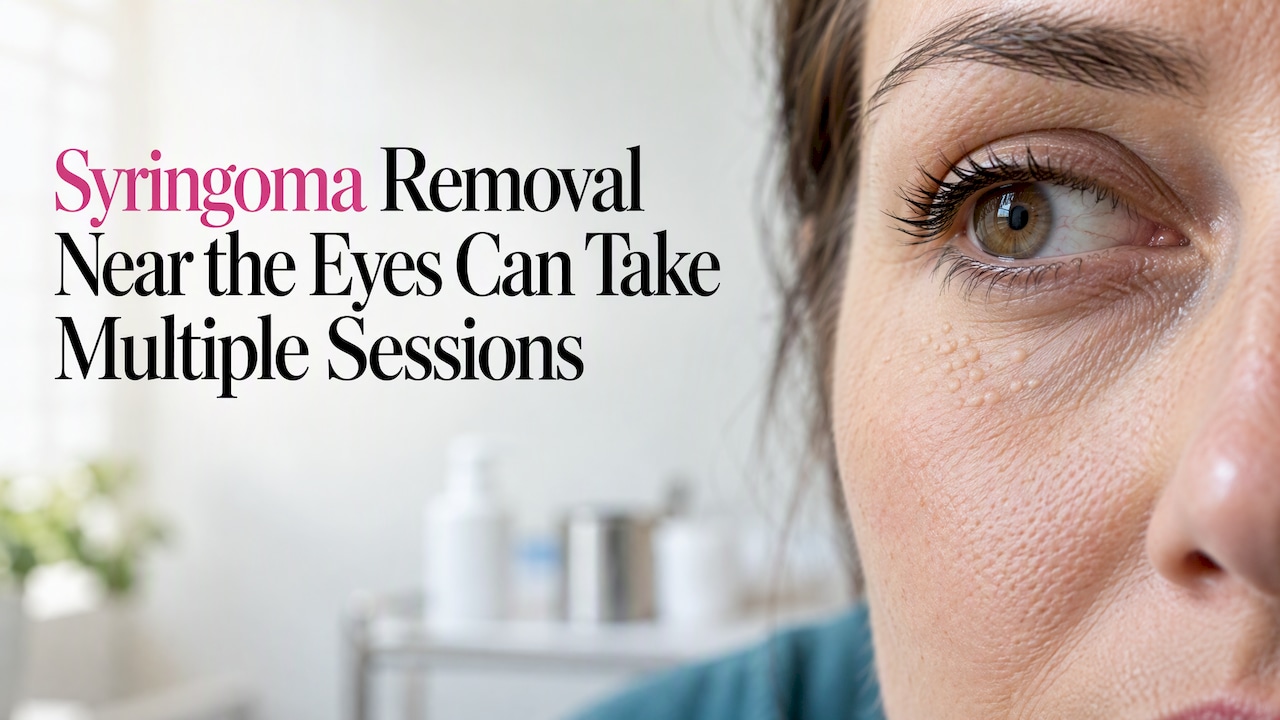

Syringomas can usually be reduced with professional treatment, but they are not reliably eliminated for good, since these benign tumors form in the deep dermis and tend to recur. Lasers, electrosurgery, and excision are the main clinical options, while topical treatments play only a supporting role. Most people need more than one session, and every approach weighs clearance against the risk of scarring or pigment change.
TL;DR:
- Fractional lasers usually involve less downtime and fewer complications than older ablative lasers, but may require more sessions to achieve comparable clearance.
- CO2 laser may clear more per session, while darker skin tones face greater pigment change risk; clinicians often use conservative settings and test patches.
- Fractional treatment can cause days of redness; deeper ablative passes may crust for a week or longer, with healing taking up to three weeks.
- Electrosurgery can produce lasting results but requires careful depth control near the eyes; excision suits isolated lesions better than widespread clusters.
- Ask providers about eyelid experience, comparable case photos, test patches, follow up for touch ups, and an itemized estimate before committing.
Table of Contents
- Professional treatment options for syringoma removal
- Comparing syringoma removal methods by results and risk
- What to expect: sessions, healing, and recurrence
- How to choose a provider for syringoma treatment
- Evidence snapshot and what it means for clinic-level care
- A clinician’s perspective on realistic syringoma care
- Your next step with Sudbury Med Spa
- FAQ
- Sources
Professional treatment options for syringoma removal
Several procedures show up repeatedly in the dermatology literature for syringoma removal, each with a different balance of precision, downtime, and risk.
CO2 laser is the most commonly used approach. It works by vaporizing the lesion tissue layer by layer, often using a pinhole or multiple-drilling technique that targets individual bumps without removing large sheets of skin. This method shows up often in case series because it gives practitioners fine control in cosmetically sensitive areas like the lower eyelids.
Er:YAG and fractional lasers offer an alternative path. A review of laser treatments for syringomas found that fractional devices can reduce downtime and complications compared to older, non-fractionated ablative lasers, though they may require more sessions to reach similar clearance.
Electrosurgery, also called electrodesiccation, uses heat to destroy the lesion and is one of the methods named in the StatPearls clinical overview as a standard option, sometimes producing durable results. Punch or snip excision is typically reserved for larger or isolated lesions rather than the clusters common around the eyes.
Topical and chemical options have a narrower role:
- TCA (trichloroacetic acid) peels can lighten and flatten lesions modestly but rarely clear them completely.
- Topical retinoids like tretinoin are sometimes used as adjuncts, with modest results at best.
- Apple cider vinegar and similar home remedies have no supporting evidence and should not replace a professional diagnosis or plan.
Comparing syringoma removal methods by results and risk
No single method is considered the universal first-line treatment, since the right choice depends on lesion density, skin type, and practitioner experience, according to the laser treatment review.
- CO2 laser tends to offer strong clearance per session but carries a higher chance of pigment change in darker skin tones.
- Fractional lasers generally mean less downtime and fewer complications, trading some speed of clearance for a gentler recovery.
- Electrodesiccation can produce lasting results in the hands of an experienced provider but requires careful depth control near the eyes.
- Excision is precise for isolated lesions but is rarely chosen for widespread periorbital clusters because of scarring potential.
Scarring and post-inflammatory hyperpigmentation risk generally rises with how aggressive the technique is, and patients with Fitzpatrick skin types III through VI often need more conservative settings and test patches to limit that risk, per clinical guidance on syringoma management. Downtime ranges from a few days of redness with fractional approaches to a week or more of crusting with deeper ablative passes.
Pro Tip: Ask your provider to start with a small test patch on one or two lesions before committing to a full treatment session, especially near the eyelids.
What to expect: sessions, healing, and recurrence
Multiple sessions are the norm, not the exception. Lesions sit at a depth that a single laser pass typically cannot fully reach, which is why staged treatment plans are standard practice for most patients.
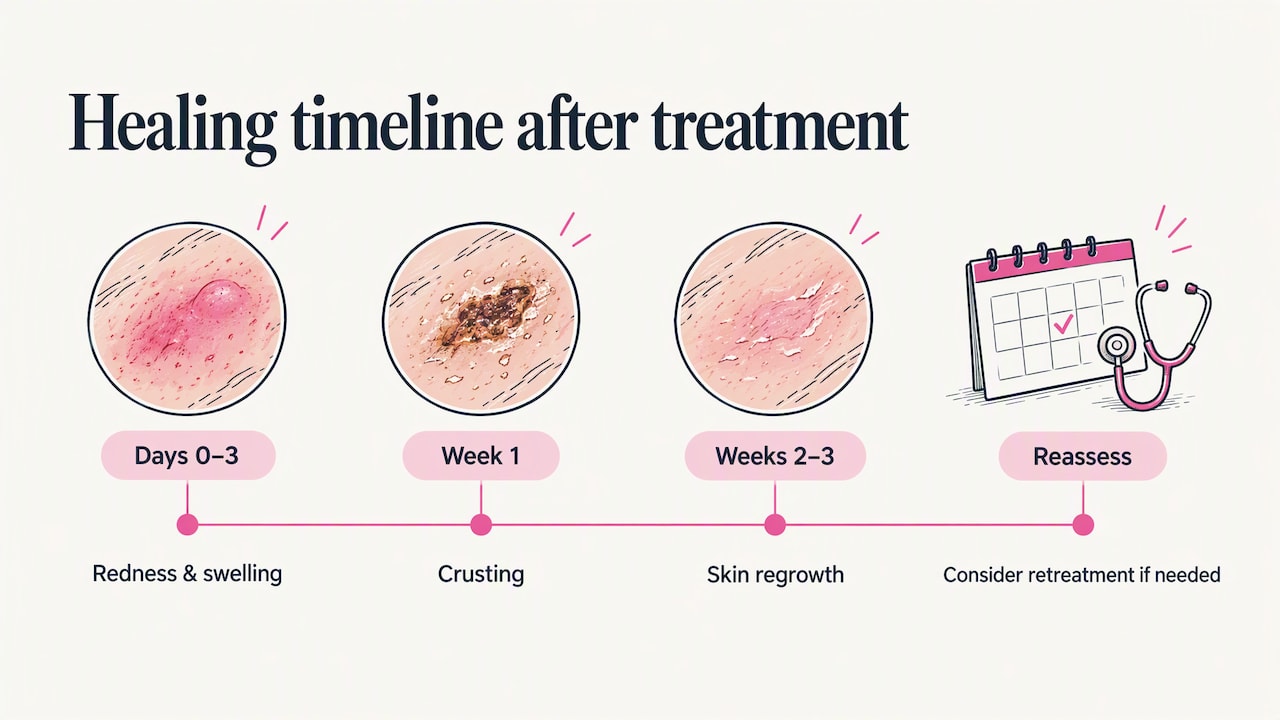
Healing generally follows a predictable path: redness and swelling in the first few days, crusting over the following week, and re-epithelialization within two to three weeks depending on the method and depth used. Cosmetic improvement is usually visible after the skin fully heals, and retreatment is considered once that healing is complete if lesions persist or new ones appear.
Recurrence is common and well documented in the literature. Clinical research on syringoma management notes that because these tumors originate deep in the dermis, treatments reduce their prominence rather than offer a lifelong cure. Planning for periodic touch-ups, rather than expecting a single permanent fix, leads to more realistic satisfaction with results.
How to choose a provider for syringoma treatment
Picking the right clinician matters as much as picking the right method, especially for lesions near the eyes. Bring these questions to your consultation:
- Ask how often they treat periorbital syringomas and request before-and-after photos of comparable cases.
- Ask whether they perform a test patch first and how they determine laser settings and pass count for your skin.
- Ask what their follow-up policy looks like if touch-ups or revisions are needed.
- Ask how they adjust technique for your specific skin type to minimize scarring or pigment change.
- Ask for an itemized cost estimate upfront, including whether financing options are available.
A provider who answers these clearly, rather than promising a one-and-done fix, is generally signaling a more realistic and safety-focused approach.
Evidence snapshot and what it means for clinic-level care
The research base on syringoma removal is consistent on one point: there is no single standardized first-line treatment, and every method balances clearance against complication risk, as both the laser review and StatPearls note. Some small studies have even looked at intradermal botulinum toxin A as a less painful emerging option for periorbital lesions, though it is not yet a standard treatment.
In practice, this means personalized planning and conservative test patches matter more than any single device. At Sudbury Med Spa, we apply CO2 laser technique for cosmetic lesion removal and offer free consultations and before-and-after review as part of our mole removal and CO2 laser procedures, the same precision-based approach that applies to syringoma care.
A clinician’s perspective on realistic syringoma care
Delicate areas like the lower eyelid call for conservative settings over speed. Staged treatment with close follow-up tends to produce better long-term satisfaction than chasing a single dramatic session. Always confirm your diagnosis with a qualified clinician before starting treatment.
— Chris
Your next step with Sudbury Med Spa
If you are ready to move from research to a real plan, we offer a direct path: a free consultation where we confirm your diagnosis, review your skin type and lesion pattern, and walk you through realistic options before you commit to anything.
- We use CO2 laser technique for precise, cosmetically focused lesion treatment, the same approach detailed on our mole removal page.
- We also offer Erbium laser options for patients who want a gentler alternative with shorter downtime.
- Our photorejuvenation services support overall skin recovery between sessions.
- We provide itemized cost estimates and financing options so you know what to expect before you book.
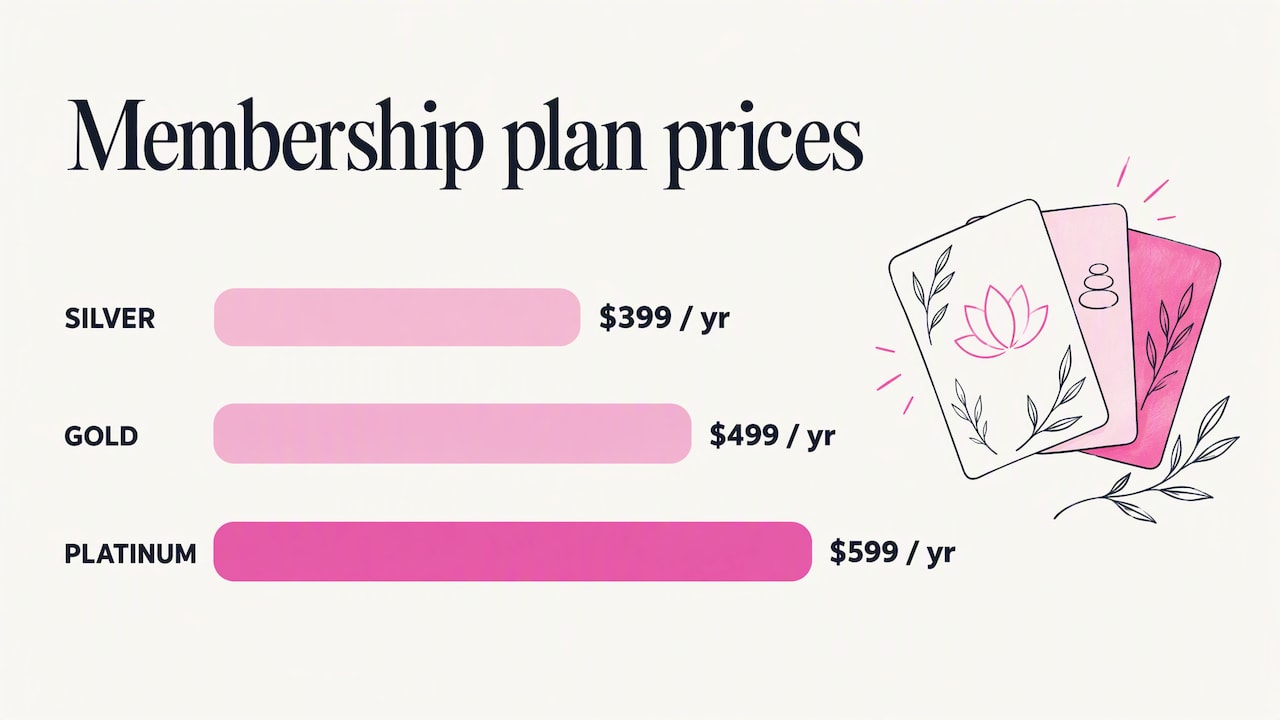
Browse our full services menu or explore our membership plans (SILVER at $399 per year, GOLD at $499 per year, or PLATINUM at $599 per year) to see what fits your skincare goals, then request a consultation to get a personalized plan built around your skin.
This article is general information, not a substitute for advice from a qualified doctor. Consult a qualified healthcare professional about your own circumstances before acting on anything here.
FAQ
How much does it cost to remove syringoma?
Cost varies by clinic, method, number of sessions, and lesion density, so there is no single published rate for syringoma removal. We provide itemized cost estimates during a free consultation once we have assessed your lesions and discussed a treatment plan.
Can you remove syringoma permanently?
No treatment is considered a permanent cure, since these tumors originate in the deep dermis and tend to recur. Professional procedures can meaningfully reduce their appearance, but most patients should plan for periodic touch-ups rather than a one-time fix.
Is apple cider vinegar effective for treating syringomas?
No, there is no evidence supporting apple cider vinegar or similar home remedies for treating syringomas. A professional evaluation and an established procedure like laser treatment or electrodesiccation remain the evidence-backed route.
What creams are used to treat syringoma?
Topical options like tretinoin or TCA peels are sometimes used, but they generally produce more modest results than ablative procedures such as laser or electrosurgery. They work best as an adjunct to, not a replacement for, professional in-office treatment.
Sources
- Syringoma: clinical features and management (PubMed)
- Syringoma: Causes, Symptoms, and Treatment — WebMD
- Efficacy and safety of lasers in treating syringomas: a review (PubMed)
- Treatment of periorbital syringomas with intradermal botulinum toxin A vs CO2 laser (PubMed)
- Syringoma — StatPearls (NCBI Bookshelf)


